White Toyota scratch care and headlight restoration
Dark scuffs on the bumper and lower lip, yellow haze on the headlamp and seafood-water odour required separate assessment. The bumper crack is not a surface scuff.
Real vehicles, workshop photography and condition-led notes from LETS GET WASH in Kwun Tong.
Tap your car brand to see the services we've done on similar cars.
22 cases

Dark scuffs on the bumper and lower lip, yellow haze on the headlamp and seafood-water odour required separate assessment. The bumper crack is not a surface scuff.

The owner wanted exterior and cabin details tidied before selling. Dense dark spots on the wheel-arch sill are identified as iron fallout in the supplied record. Trim discolouration and dirt on the bonnet and bronze wheels also feature. Photos do not establish damage depth.

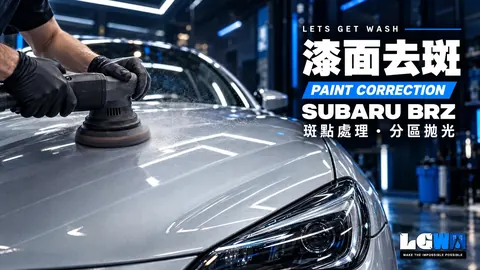
Dense intersecting swirl marks are visible around workshop-light reflections on the black paint. Photographs cannot establish scratch depth; deeper scratches, chips and cracks need inspection, without a full-restoration promise.

The supplied material reports tape residue after glass replacement. Pale marks are visible on black trim along the glass edge. Existing coating does not automatically remove trapped water or local residue.

No owner statement or paint diagnosis is supplied. The documented need is exterior washing and wheel cleaning. Foam is already present in the opening views, so arrival dirt levels, a need for paint correction or deep interior cleaning cannot be inferred.

Before work, irregular rust spots were visible on the exhaust, dust around the swingarm and footrests, and pale marks on the engine cover. Metal, drivetrain and surface care require separate treatment rather than treating every issue as paint contamination.

The front lip offers wider surfaces, while the grilles and rear trim have recesses, vertical slats and corners. No untreated same-position comparison is supplied, so ageing severity is not inferred.

The focus is visible windscreen spotting and routine exterior cleaning, without an owner interview. Exterior footage alone does not establish the cause of haze, and washing is not evidence of oil-film removal or glass repair.

No specific owner complaint was recorded, so stain causes are not inferred. The visible focus is on mirror housings, grille bars, fog-lamp surrounds and dense wire-wheel gaps. Hand-work close-ups complement the wider rinsing footage.

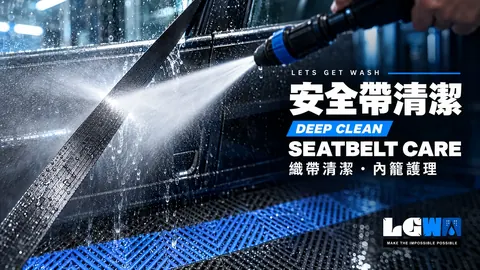
The focus is black seatbelt webbing, not a body pre-wash. The material does not establish the previous cleaning date, odour source or severity of staining. Identify the areas you want improved before arranging interior care.

A glossy exterior can coexist with an interior that needs cleaning, while visible paint marks may not all be treatable through detailing. These photos document different door, footwell and detail needs. No owner interviews were supplied, so use habits and reasons for visiting are not inferred.

The focus was glass-surface treatment and water behaviour. No direct owner complaint or usage history was supplied. Visible application marks do not establish how severe the original oil film was. Decide which glass needs care after on-site assessment.

A dead rodent was hidden in the front end, rather than ordinary surface dirt. The bumper and headlamp surrounds obstructed parts of the area, requiring access from the outside in. Unusual noises or smells need assessment; symptoms alone do not establish a rodent problem.

Brown paint spots had not cleared with routine washing, while the floor mat and centre console had everyday dirt. Paint needed condition-led assessment; interior work focused on visible dust and debris.

The focus was stained interior fabric and general cabin cleanliness. Marks were visible on the headrest before care and the cloth door panel needed attention. A clean exterior does not mean the fabric seats and door panels have been treated.

Several areas had accumulated dirt and signs of use. The white body looked bright overall, but mirror close-ups showed spots and the black exterior part highlighted water marks under lighting. Dust on the red carpet and stains on the removed mat called for attention inside as well as outside.

Before care, spots disrupted reflections on the black roof and fine scratches were visible on the white paint under lighting. Dust filled the footwell grooves and debris collected in the seat seams. The focus was both exterior appearance and everyday contact areas.

The owner's specific requests were not disclosed; this case focuses on routine exterior cleaning of the red E30. The bonnet already reflected light on arrival, so this was not a severe dullness case — the final gloss cannot be attributed entirely to this wash, and no polishing or coating should be inferred.

The cement-grey V23 already has a strong design; the owner wanted paint gloss, glass heat control and cabin cleanliness handled together — refining the paint first, then protecting it.

Marks, pale spotting and fine lines were visible across the black bonnet and boot under inspection lights, while everyday debris had collected in the cabin mats. The priority was to separate contamination from paint defects before treatment.

The dark grey body appeared matte or satin, so the priority was to identify the surface before cleaning the body, tyre sidewalls and cabin without blindly adding gloss.

The aim was not aggressive correction, but condition-led care that refreshed the white paint while preserving the period lettering, gold stripe and character of the cabin.